


Some Places Stay With You
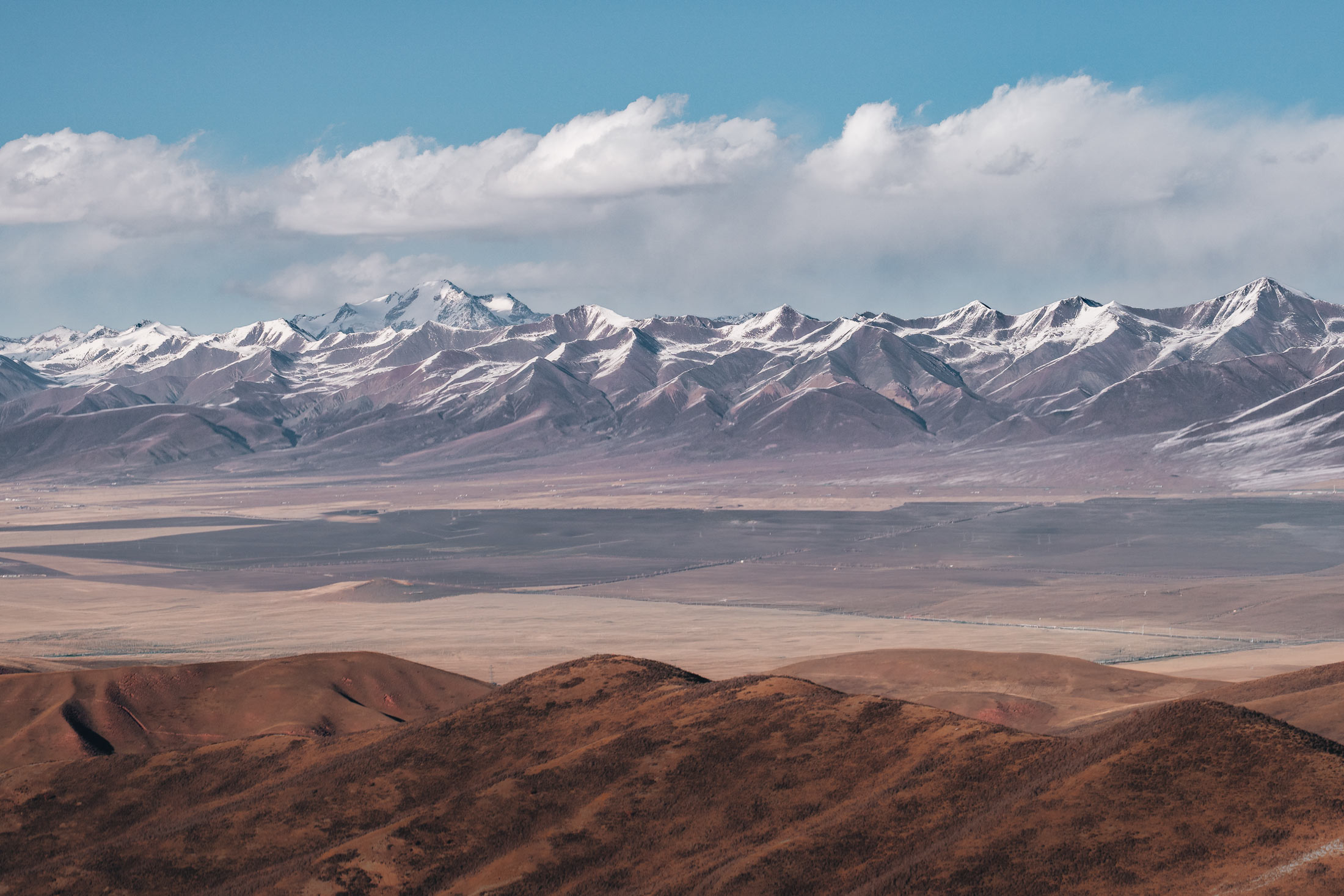
There are places so stunning they leave you speechless, landscapes so beautiful they almost touch your heart. Then there are places with something harder to explain, a special energy, a feeling you can sense the moment you arrive, something that stays with you long after you leave. And then there are the rare places that have both. The Tibetan Plateau was one of them.
A few days ago, we were still driving for hours through the endless Taklamakan Desert, crawling up impossibly steep sand dunes we passed the fiery red slopes of the Flaming Mountains, reached Dunhuang, once one of the most important stops along the ancient Silk Road, and explored temples and caves carved directly into the mountains.
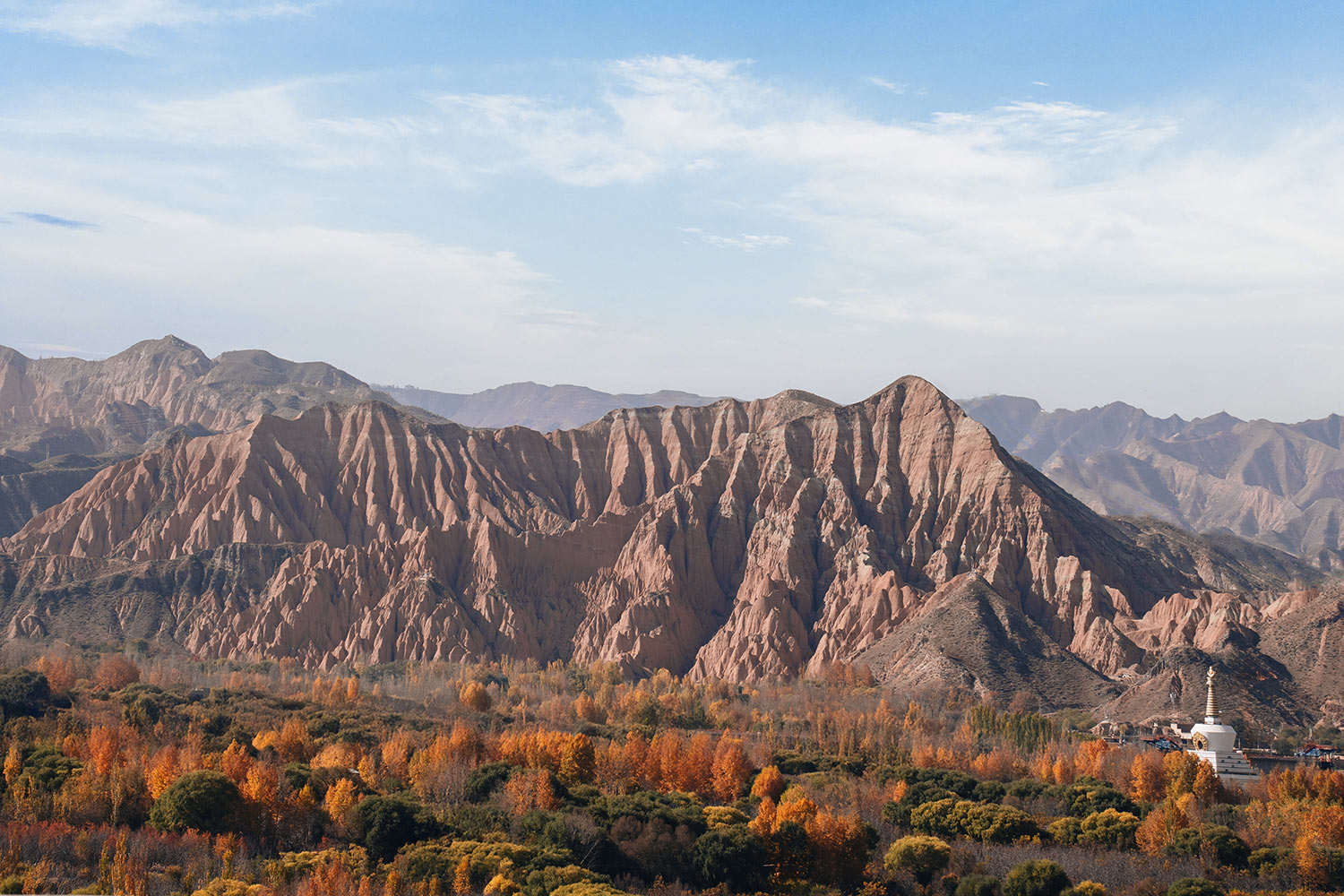
Then came the Rainbow Mountains, with their strange layers of red, orange, yellow and green, before we started following the mighty Yellow River further and further west, towards its source in Qinghai Province.
And suddenly, everything changed again.
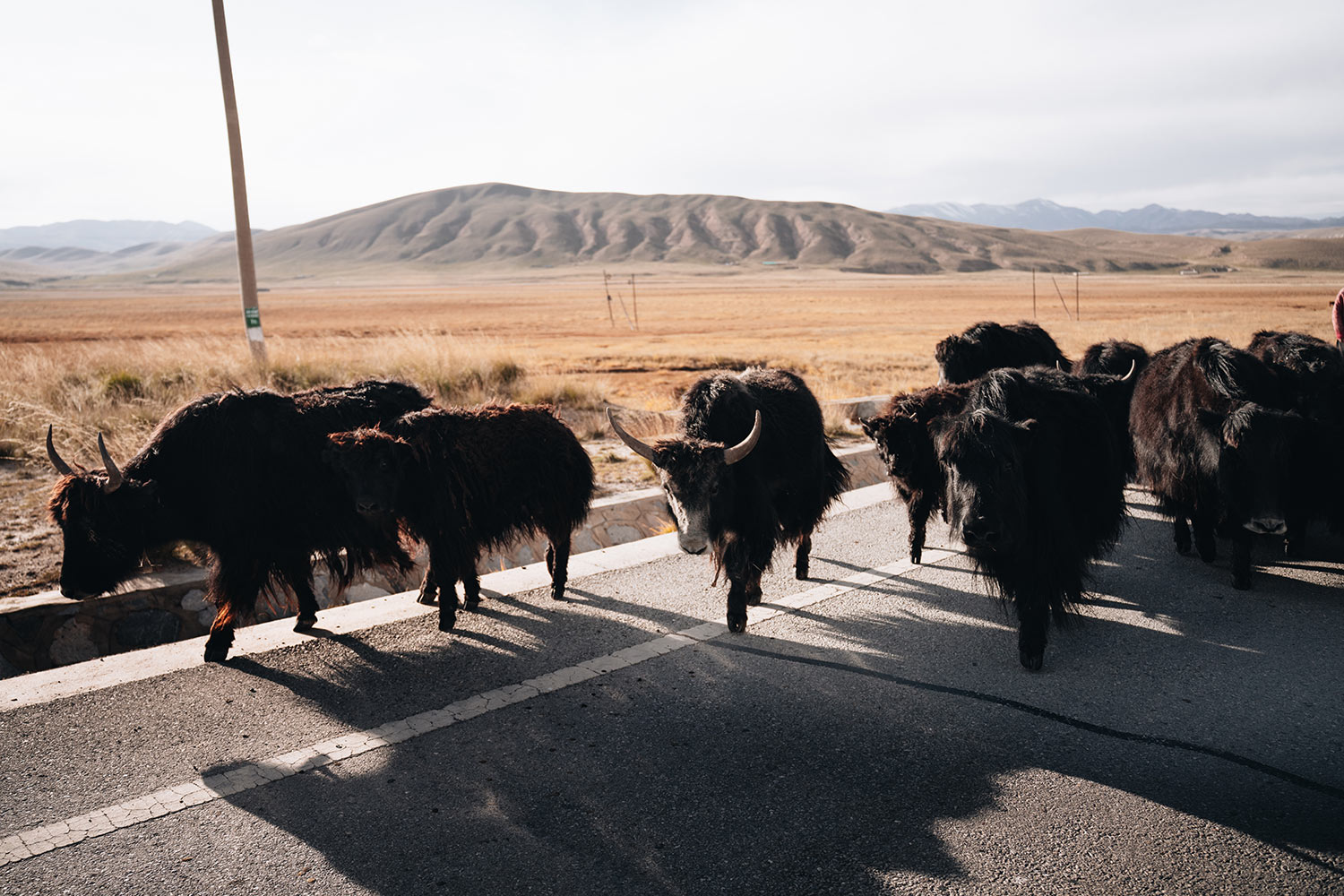
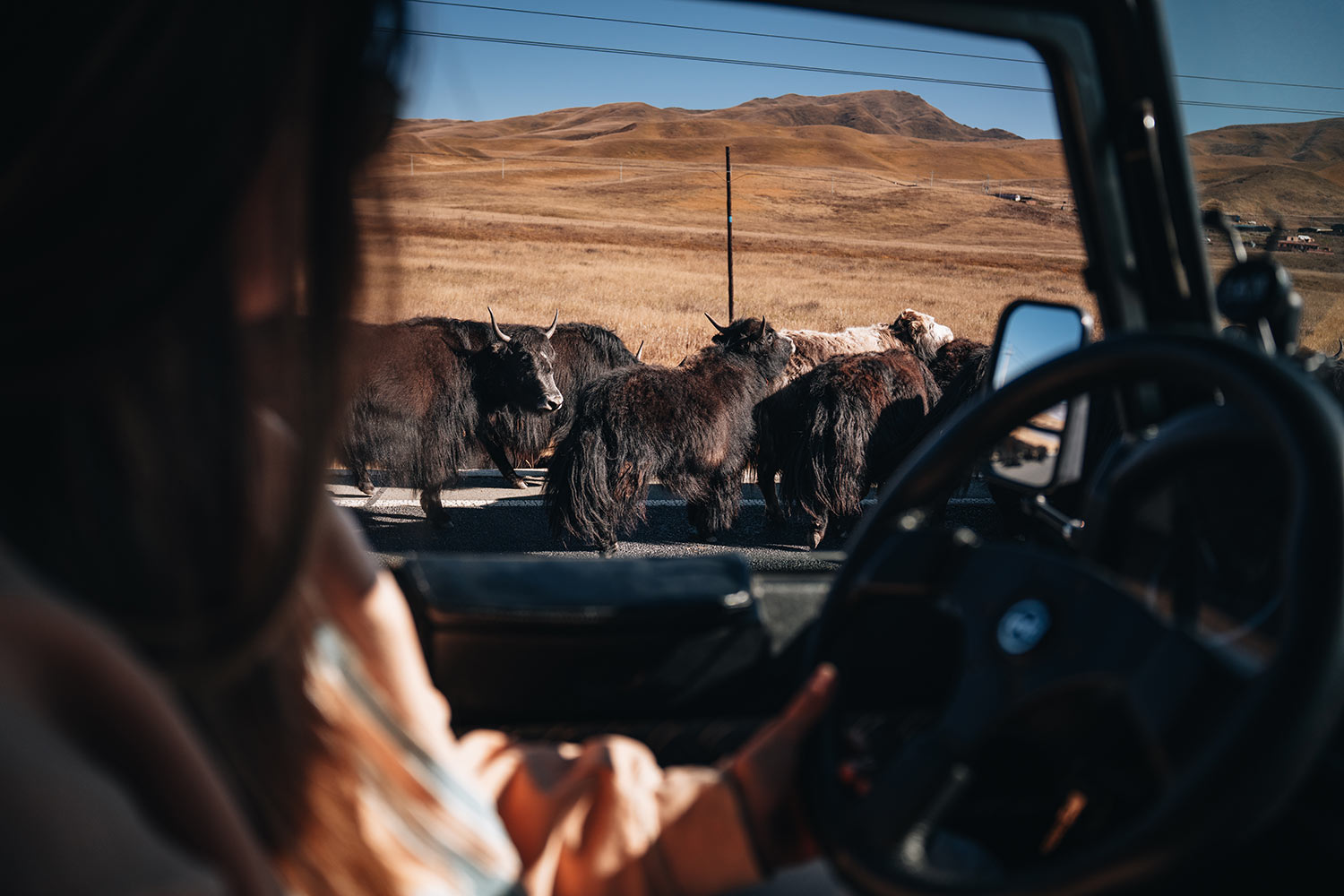
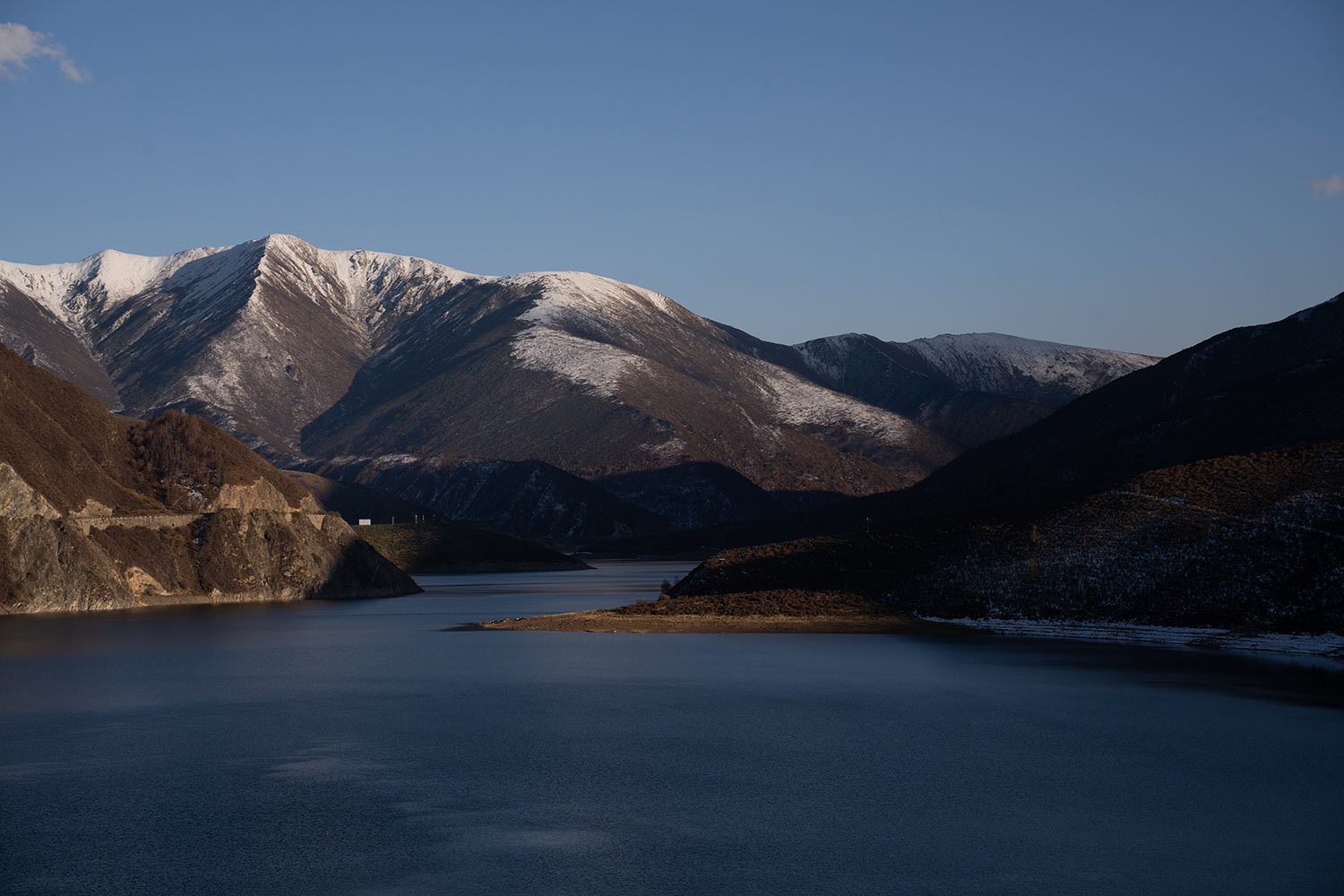
The dry desert landscapes slowly gave way to wide-open grasslands, high mountain passes and snow-capped peaks. The air became thinner, the temperatures dropped, and yaks started appearing everywhere, grazing beside the road, wandering across the plains and regularly forcing us to slow down as they crossed right in front of the Defender.
We had reached the Tibetan Plateau.
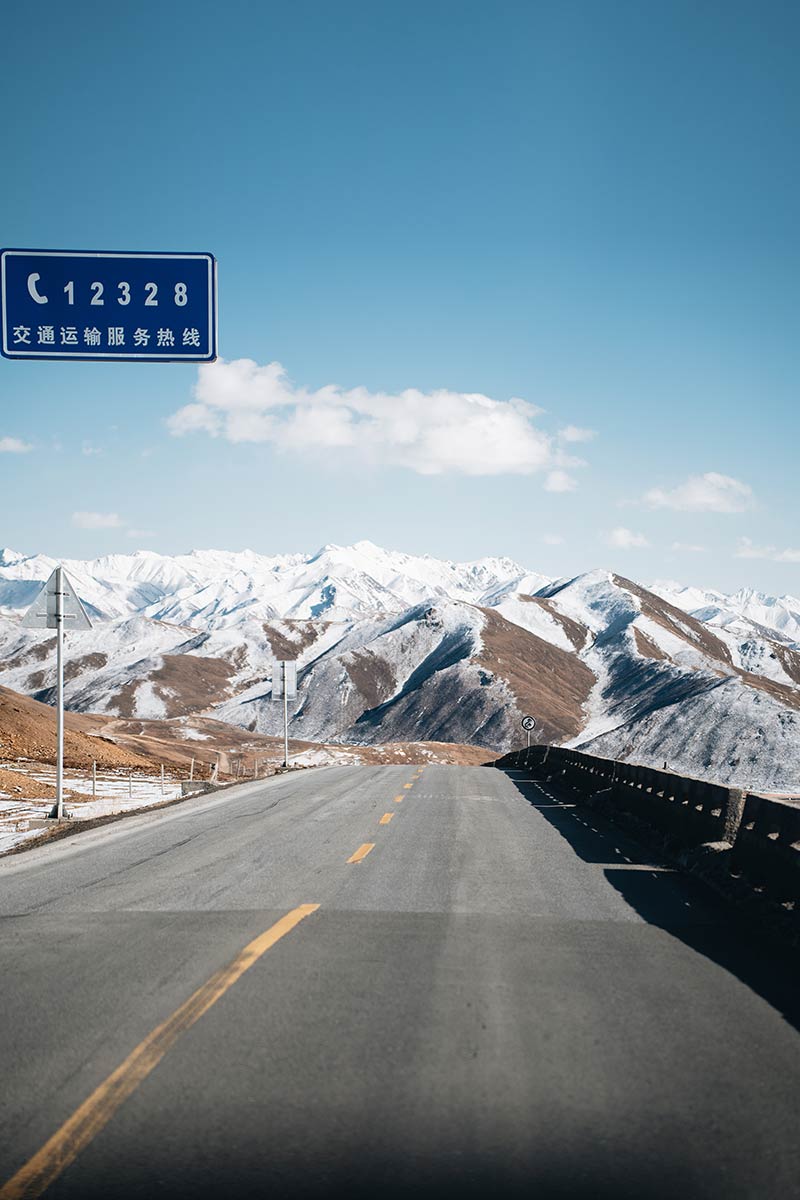
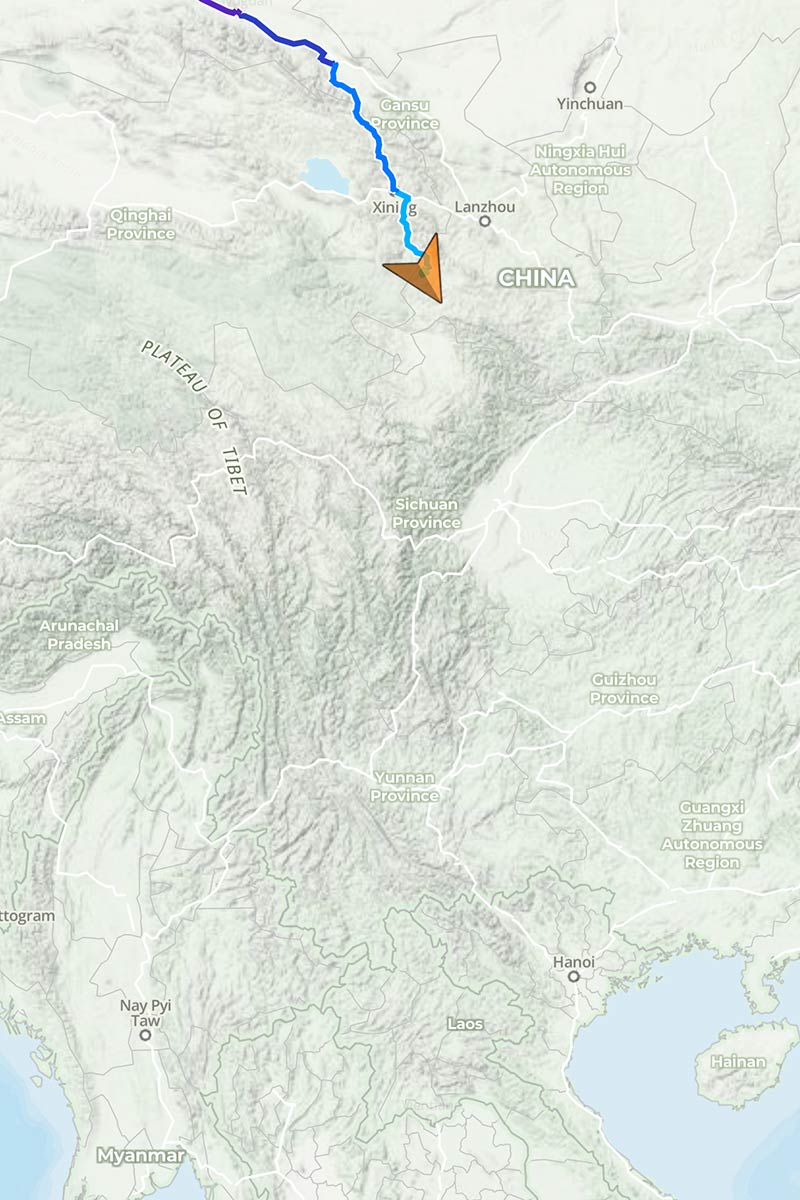
We came down through Gansu Province, passed Xining and slowly climbed onto the Tibetan Plateau.
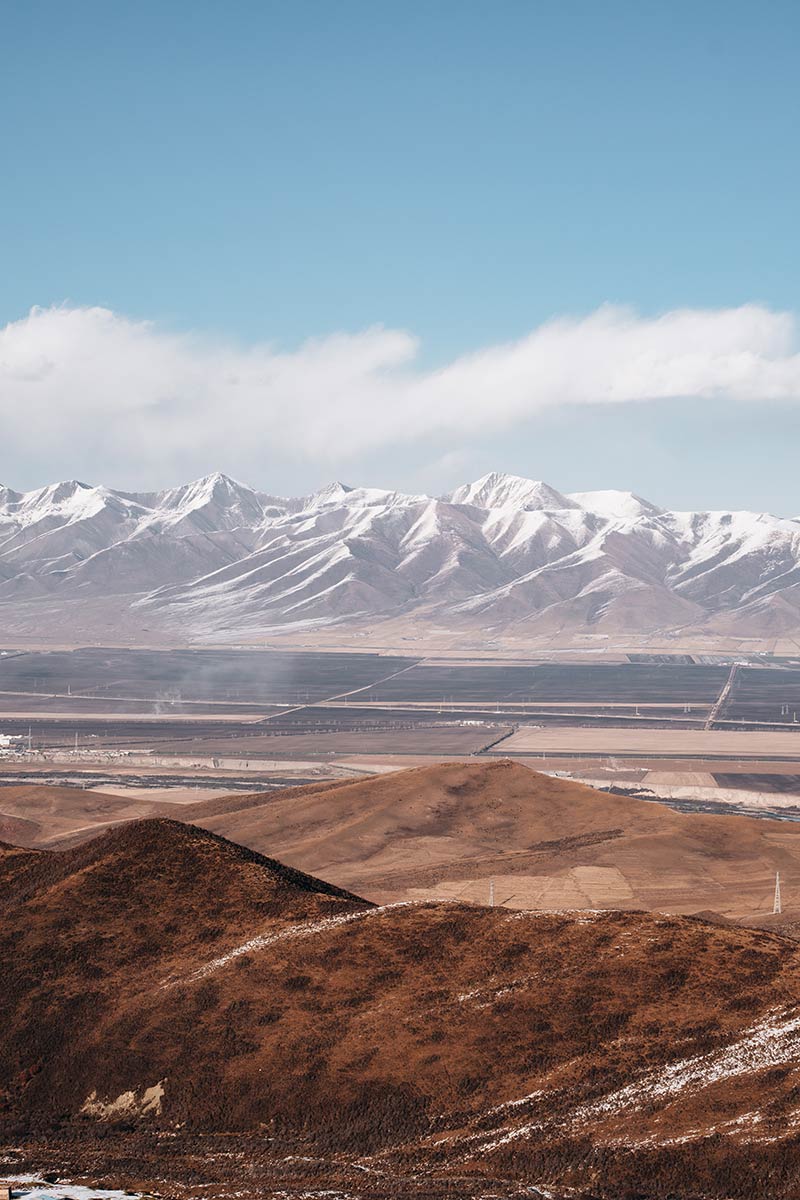
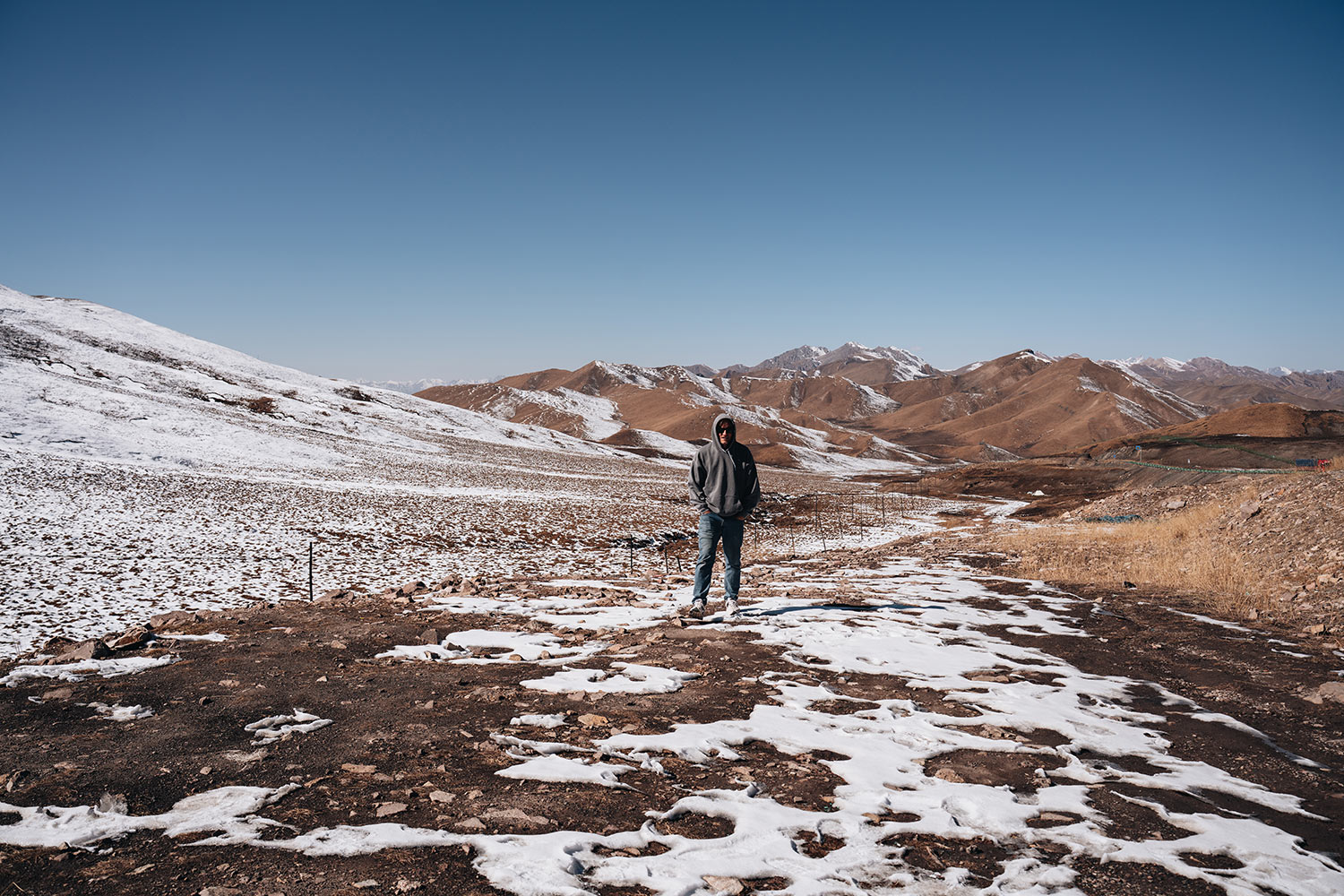
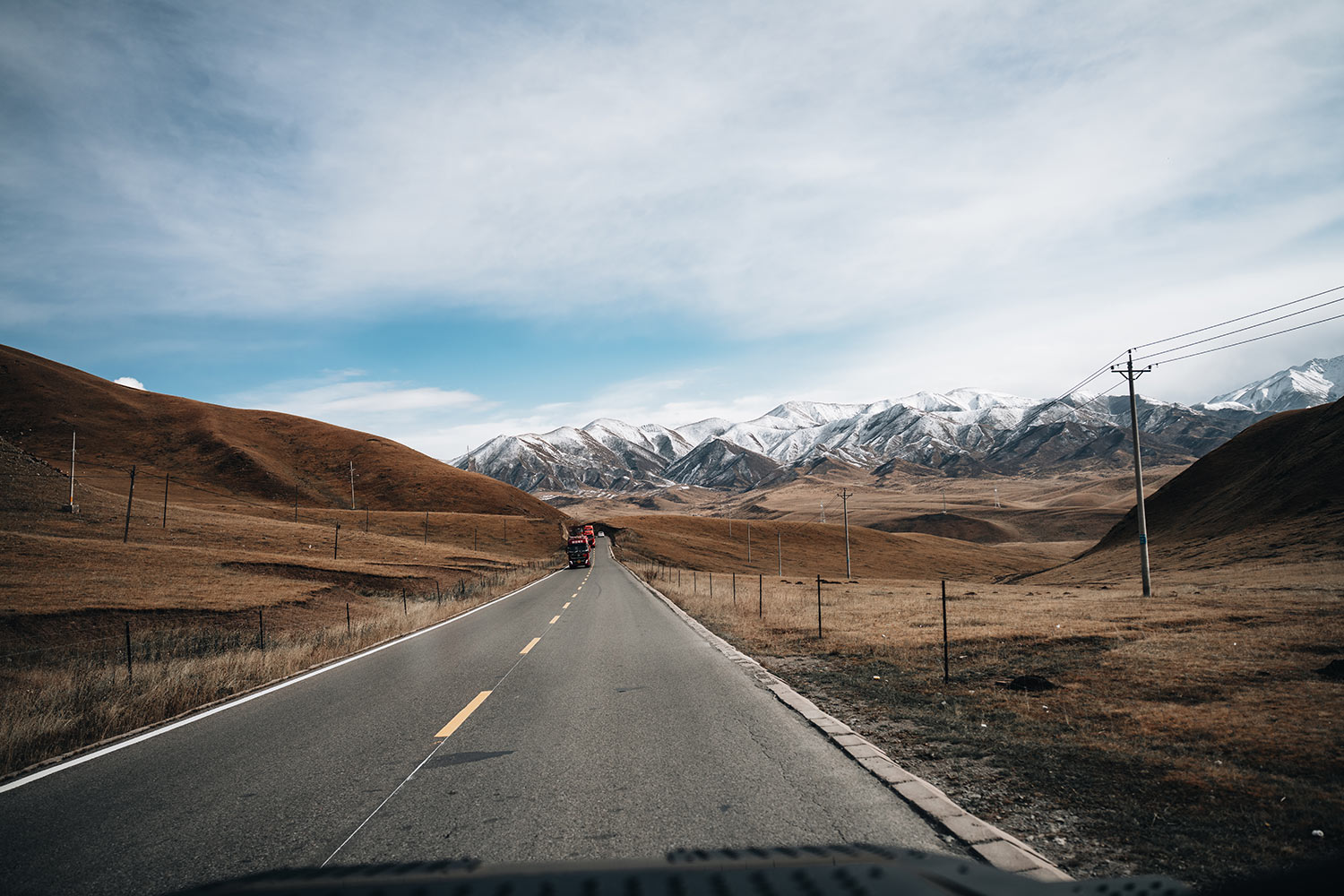
From there, the roads led us deeper into Qinghai’s vast highlands, away from the cities and into a world of empty plains, snow-capped mountains and endless sky.
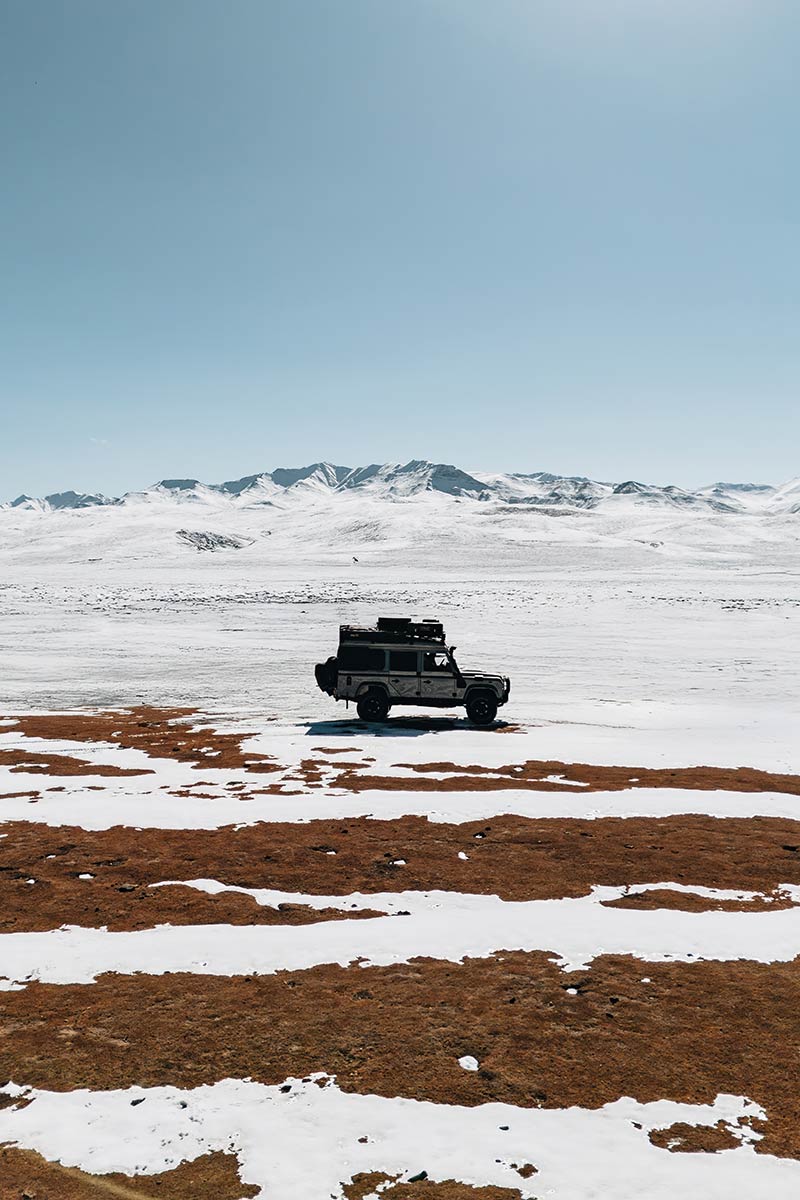
Now, instead of sand dunes we are driving through an enormous world of mountains, endless skies and vast empty spaces, with snow-covered peaks on the horizon and yak crossings seemingly every hour.
It feels wild, remote and completely different from anything we had driven through just a few days earlier.
We've been driving some hours but it never felt long or boring, never.


The vastness of the Tibetan Plateau is difficult to understand until you are actually in it. It is not just a mountain region, it is an enormous high-altitude world stretching across roughly 2.5 million square kilometres, most of it above 4,000 metres. Distances feel completely different there: a mountain that looks close can still be hours away, simply because there is almost nothing in between to give you a sense of scale.
The plateau and surrounding mountains are often called Asia’s water tower, because several of the continent’s great rivers begin there or nearby, including the Yellow River, Yangtze, Mekong, Brahmaputra and Indus.
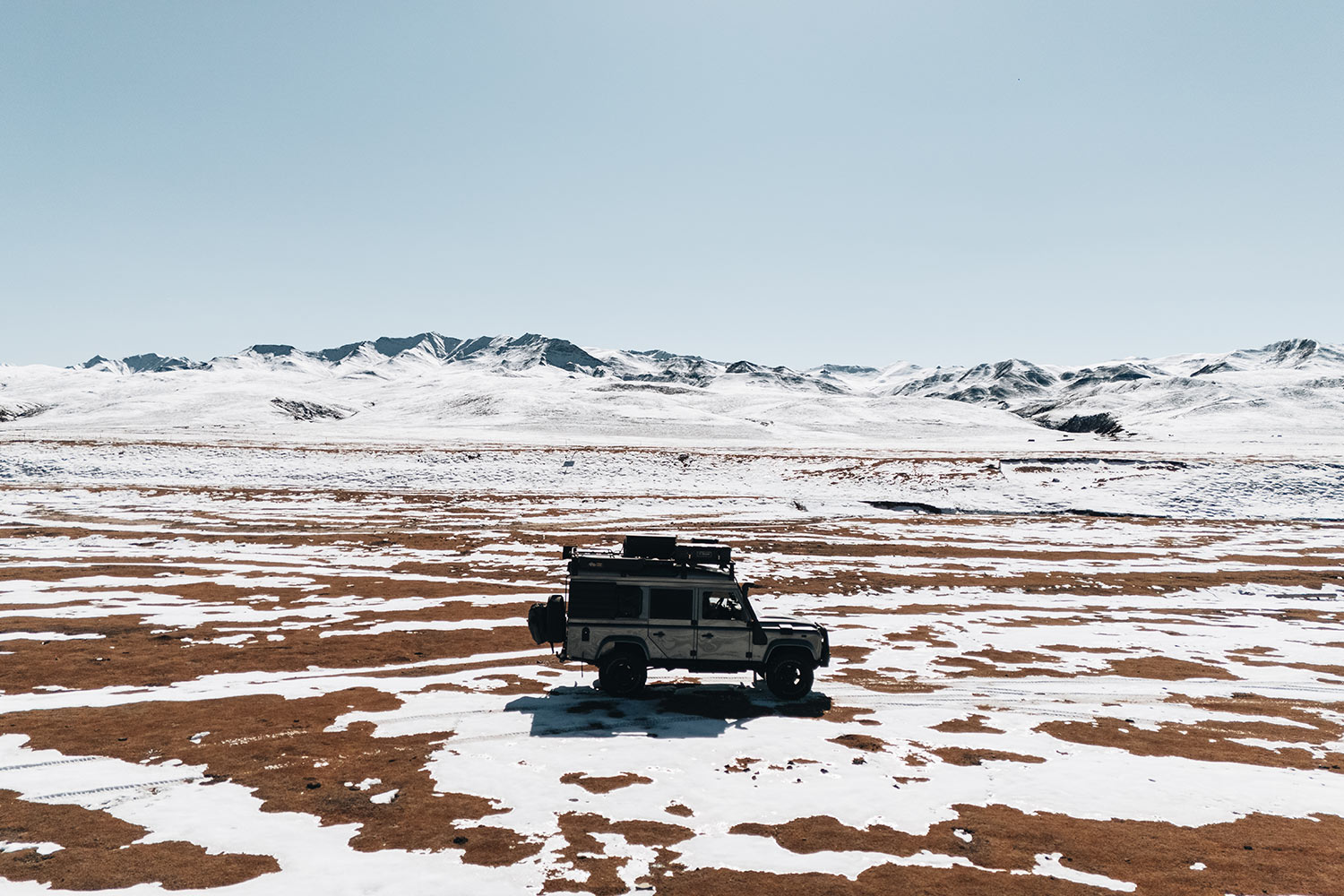
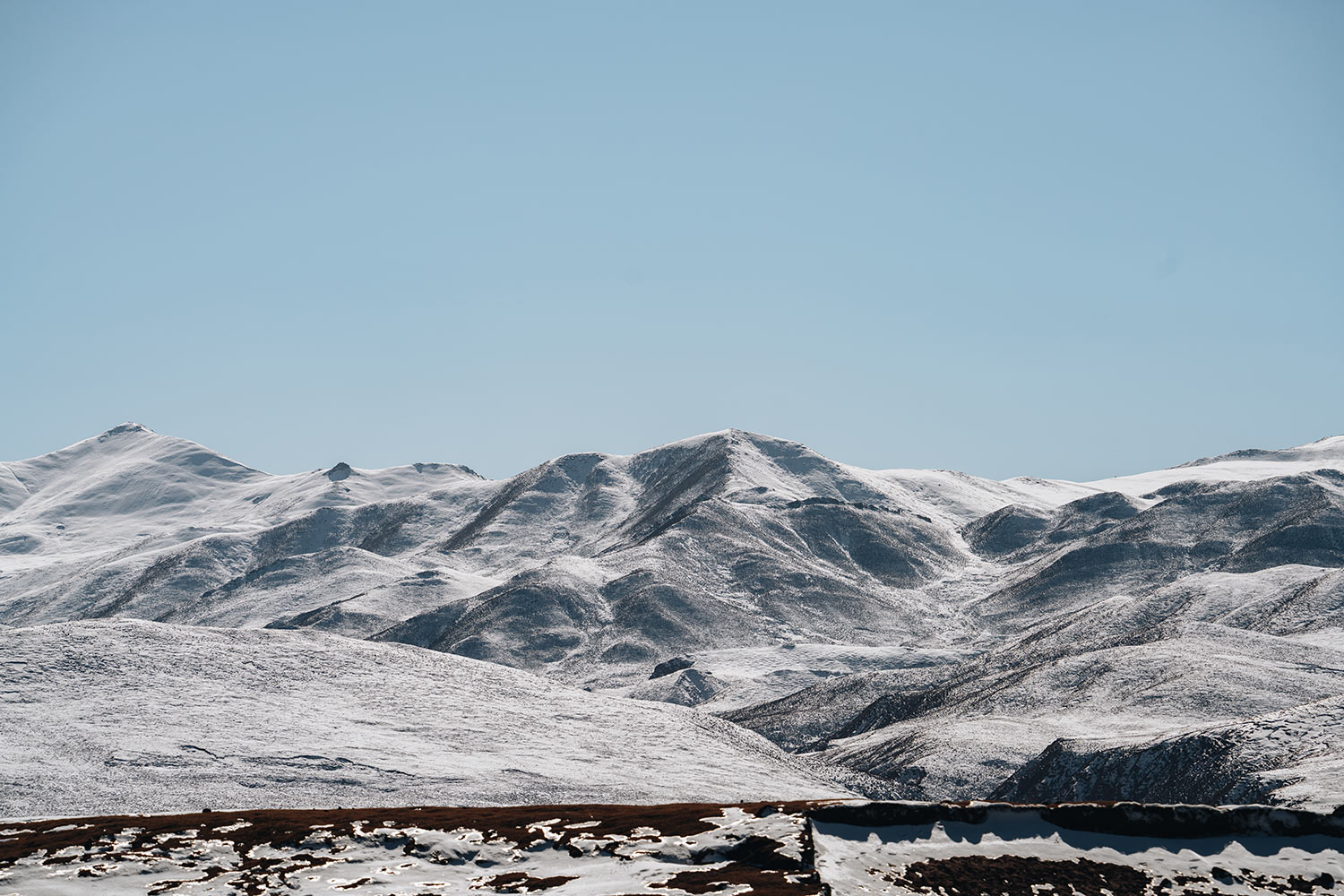
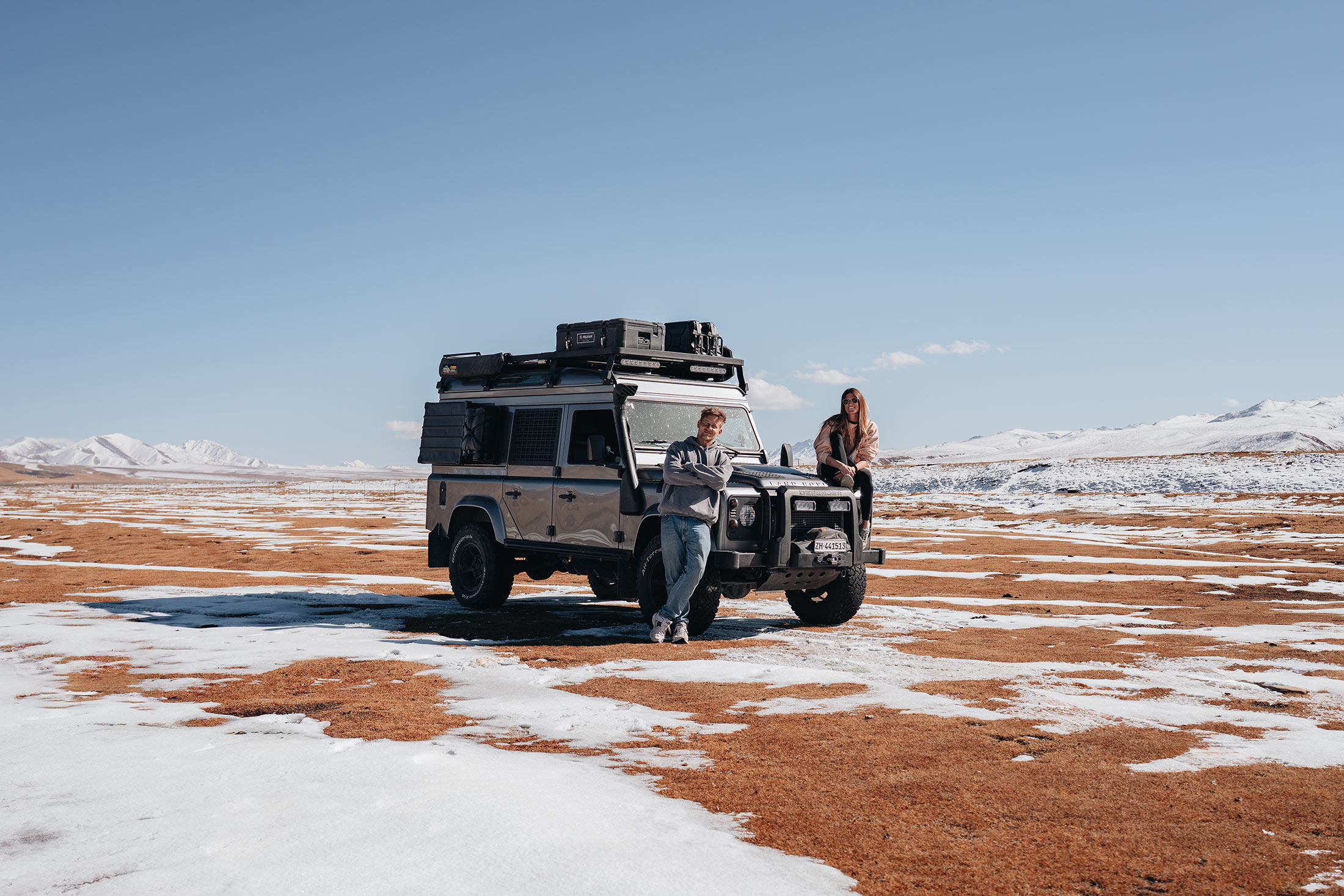
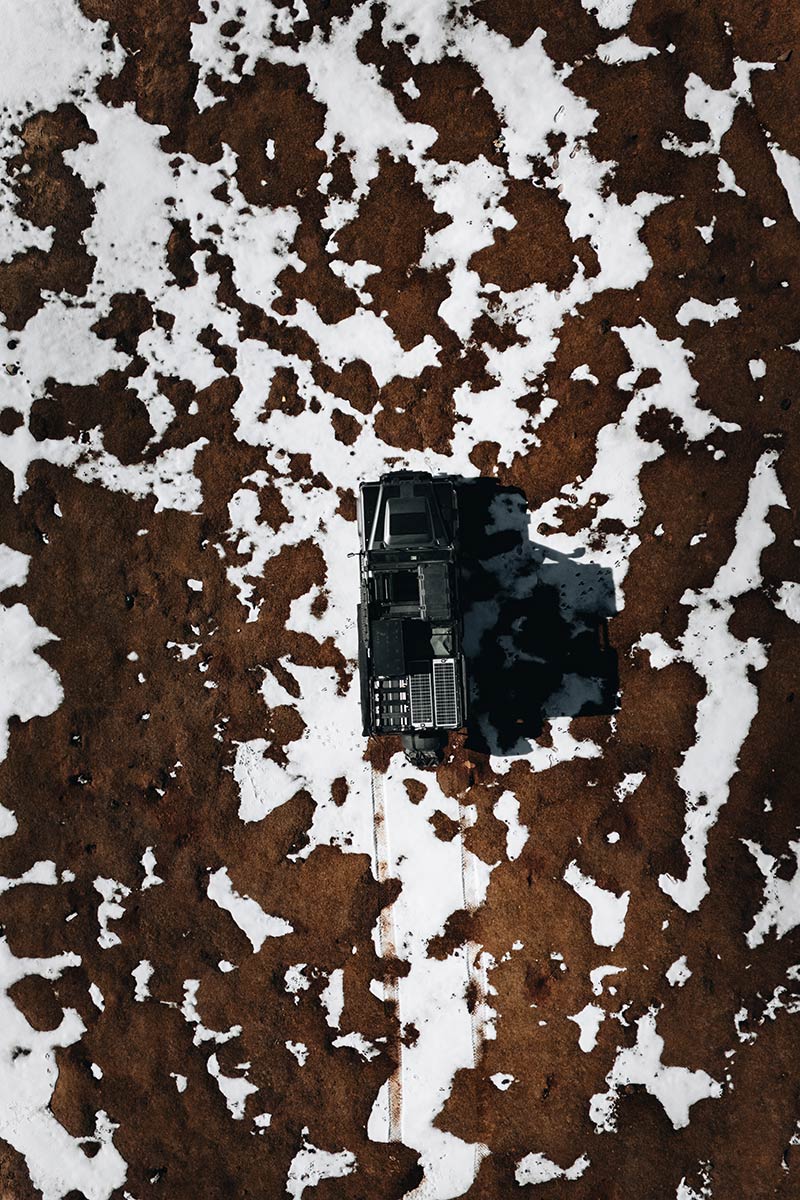
We left the main road behind and added a few extra hours to our drive with a proper off-road detour through vast grasslands, snow and ice. The trail was beautiful, landscapes!
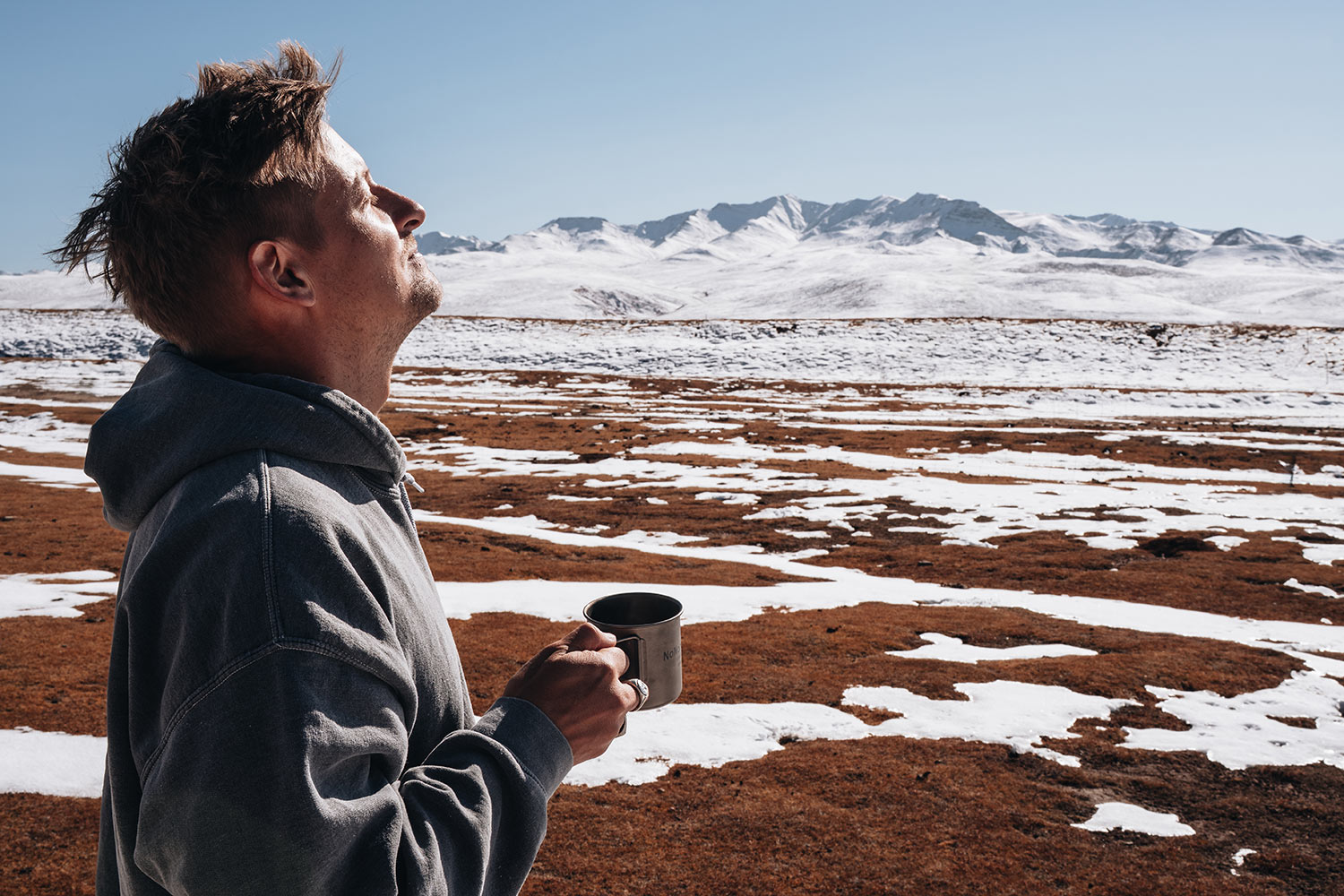
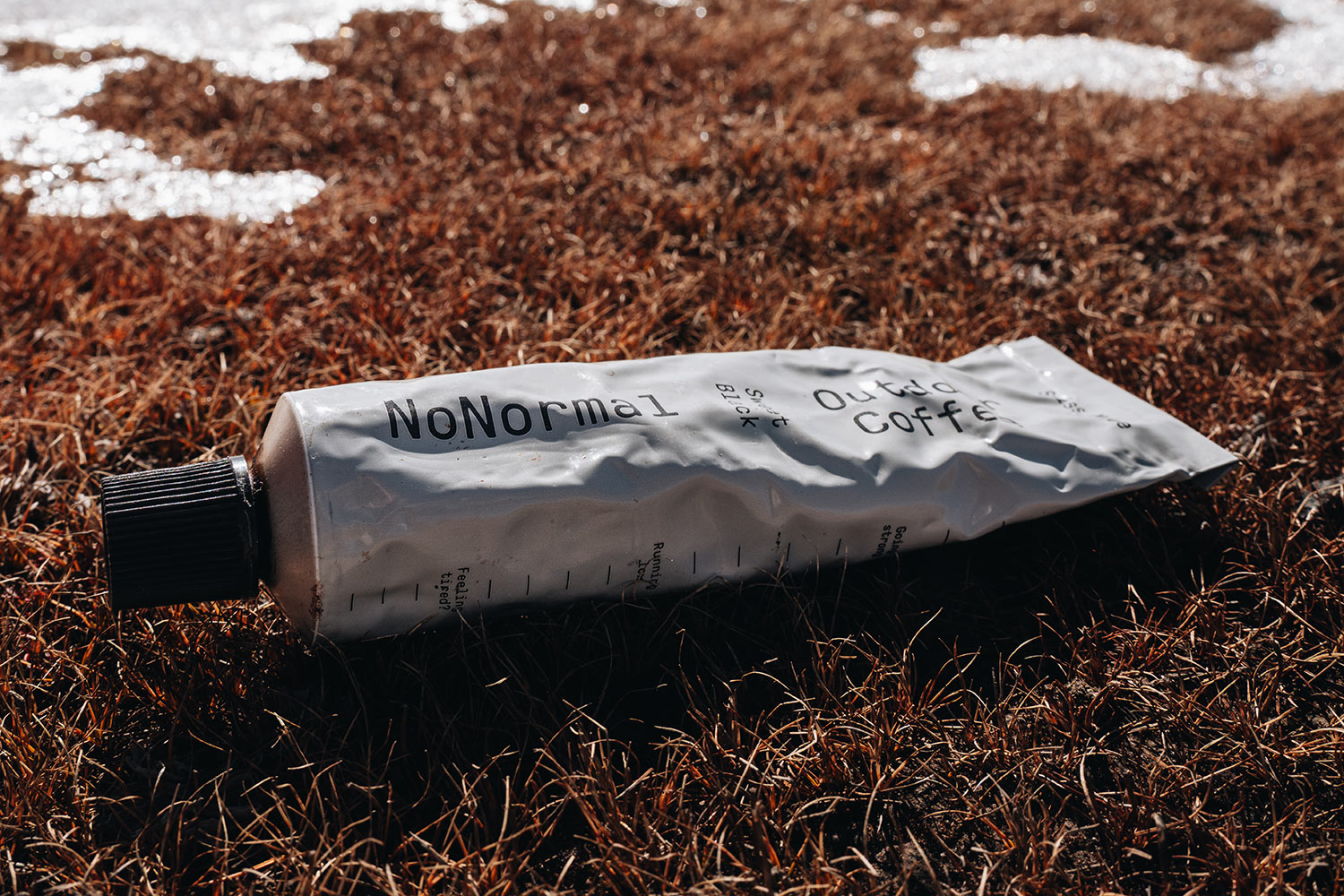
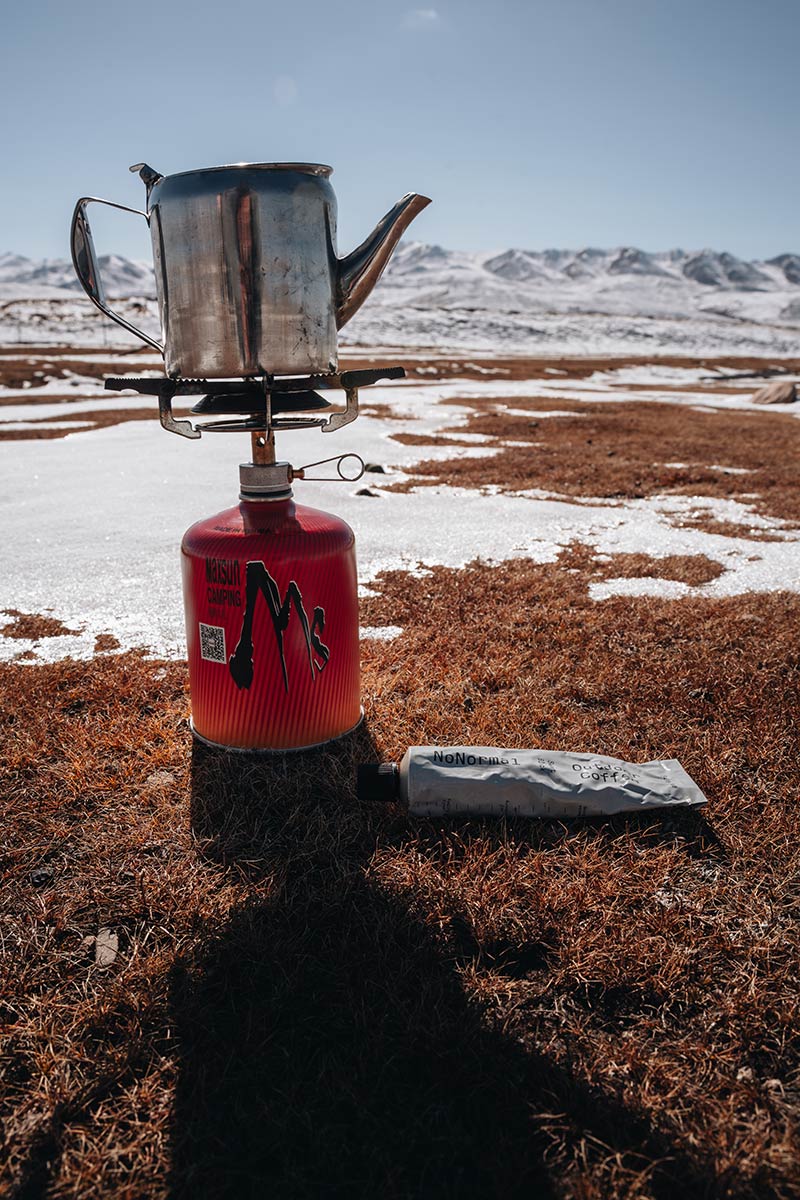
Somewhere along the way, surrounded by nothing but mountains and endless open space, we found the perfect spot for a lunch and coffee break. By now, the air had become noticeably thinner, and once again we were reminded of just how long it takes to boil water for a coffee at this altitude. Up here, even the simple things take a little more time.
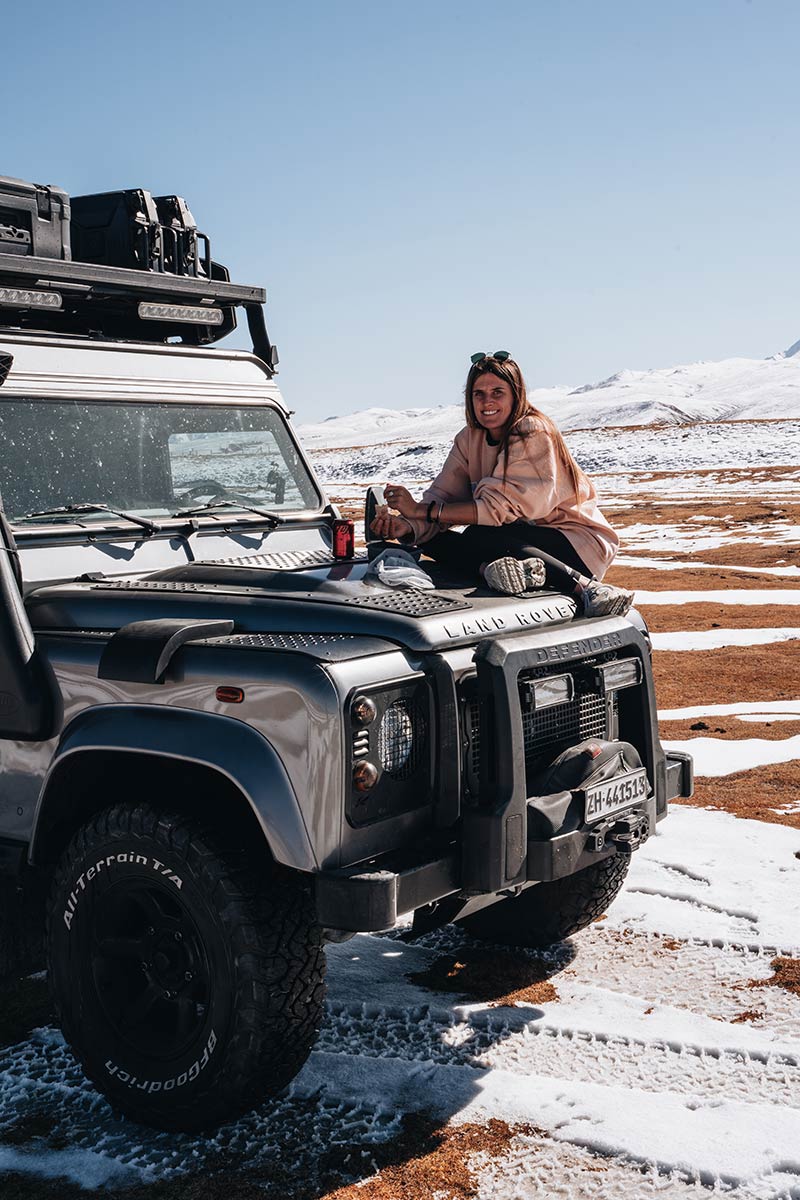
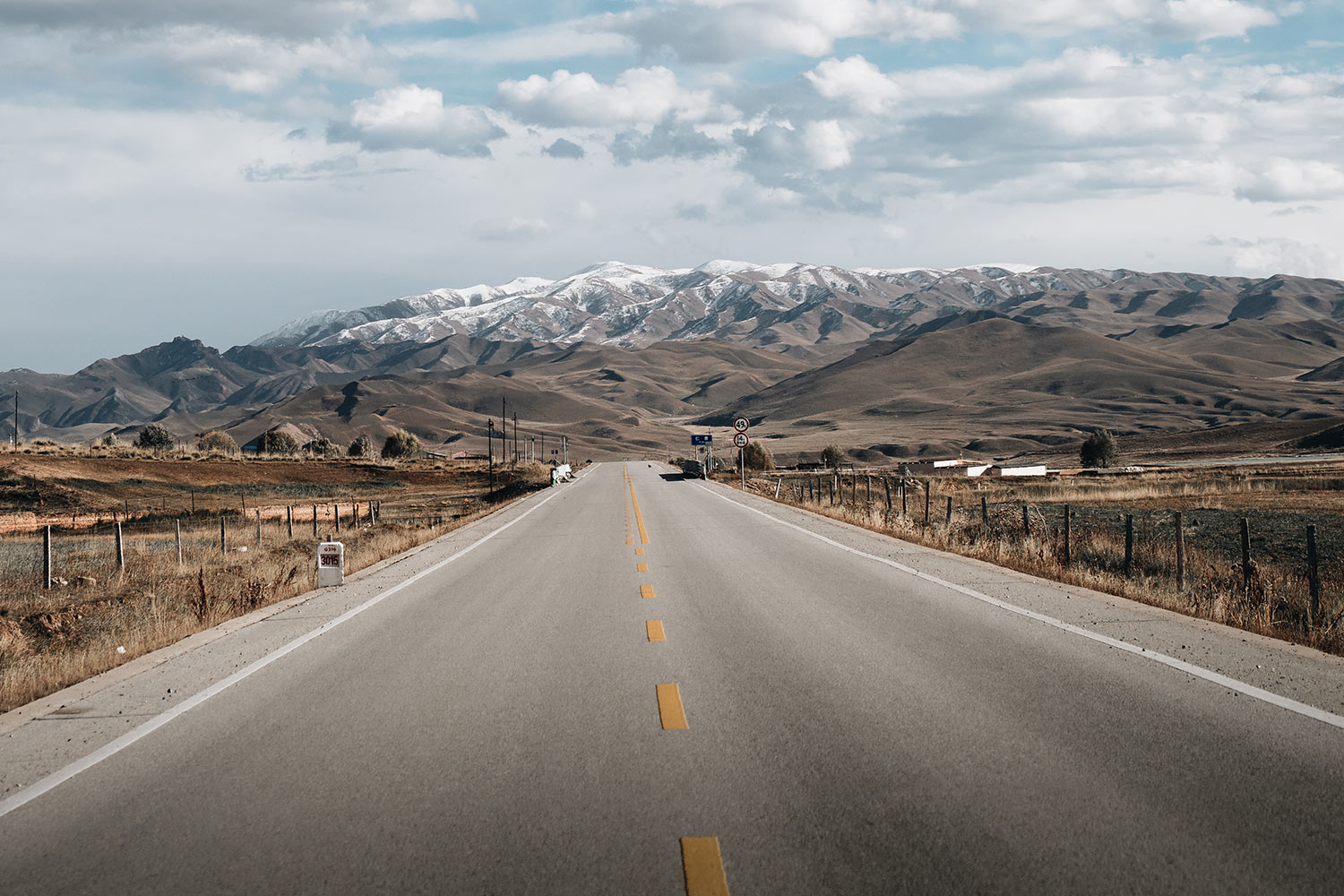
We continued our way towards Qiongxizhen town through the wide-open Sangke, Ruoergai and Hongyuan grasslands — endless stretches of rolling green, grazing yaks and huge skies. The further we drove, the more the landscape opened up, with long empty roads cutting across the plateau. Tibetan flags everywhere.
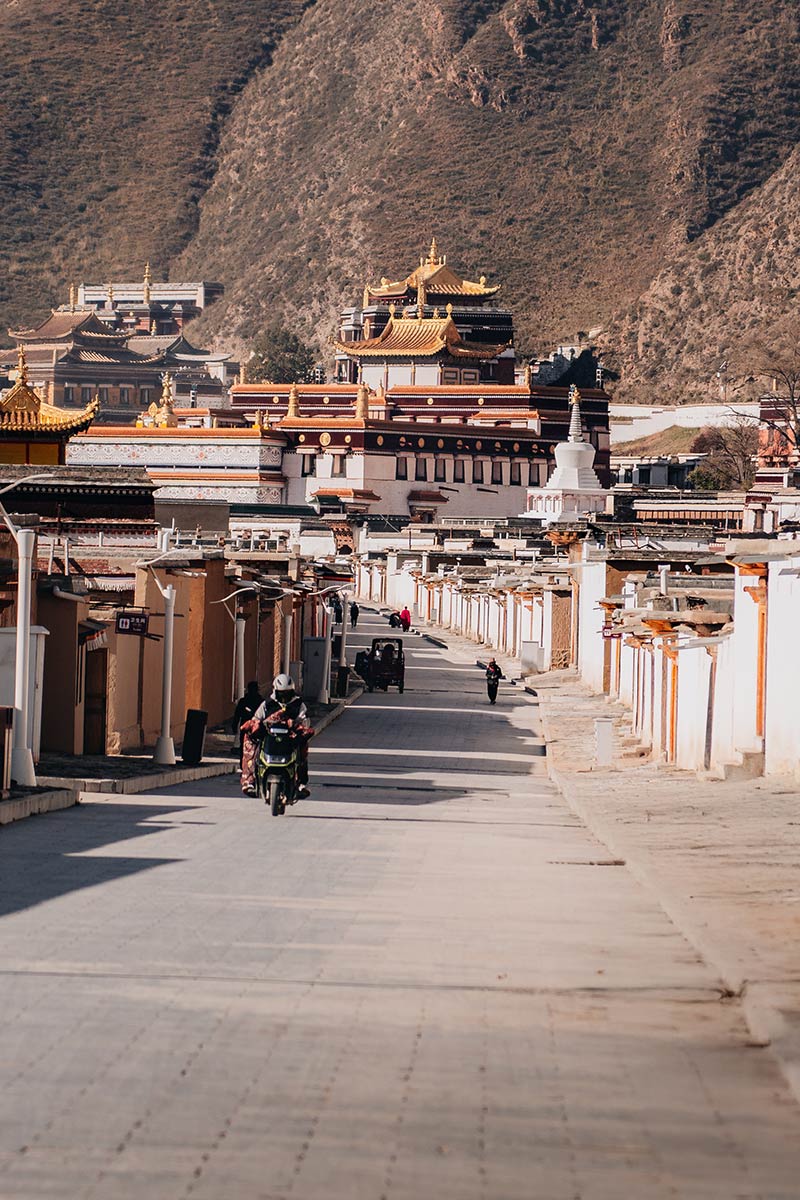
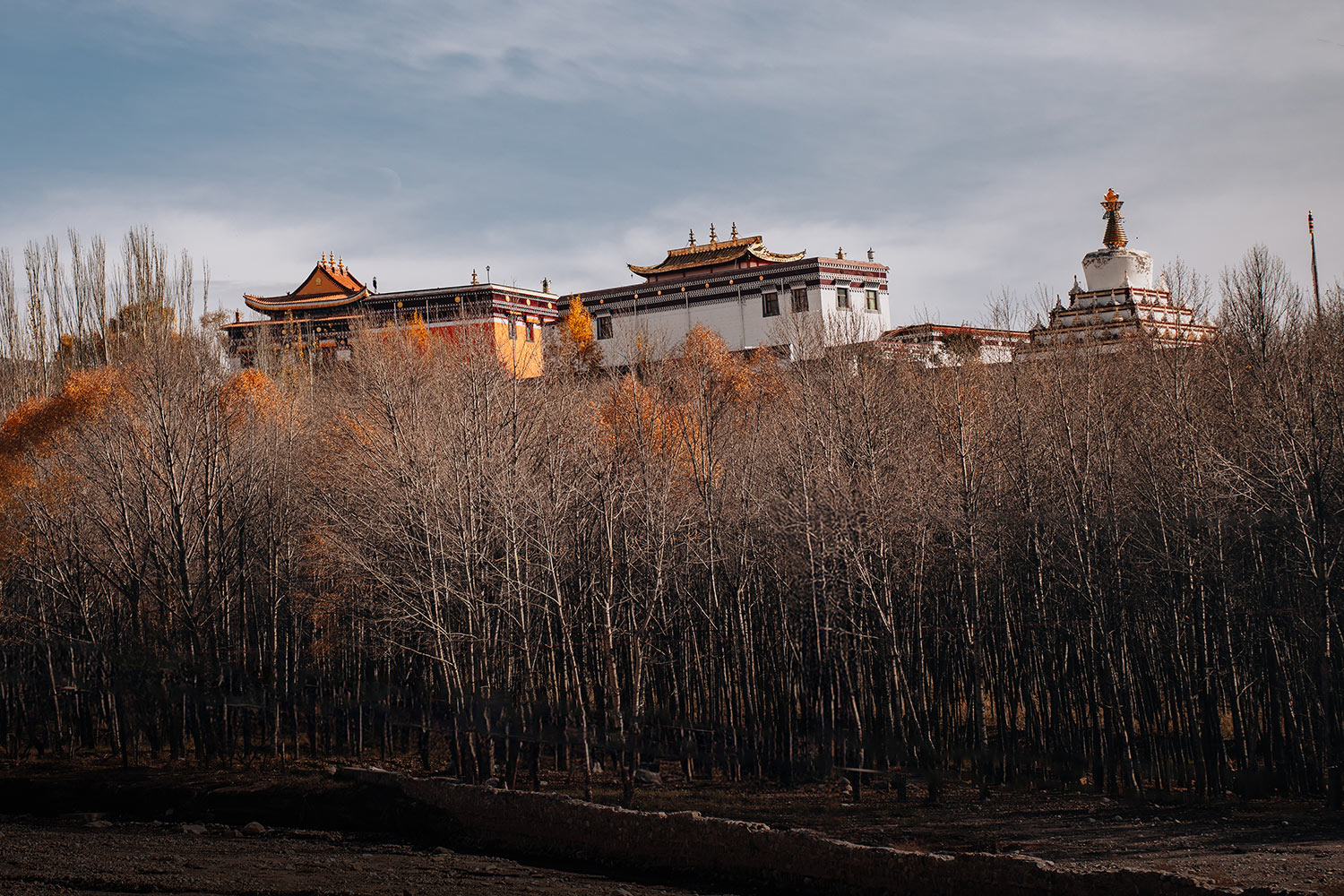
We eventually reached Qiongxi, the small high-altitude town at the heart of Hongyuan County. At around 3,500 metres and surrounded by endless grasslands, there are some restaurants and monasteries, yaks, horses and Tibetan flags.
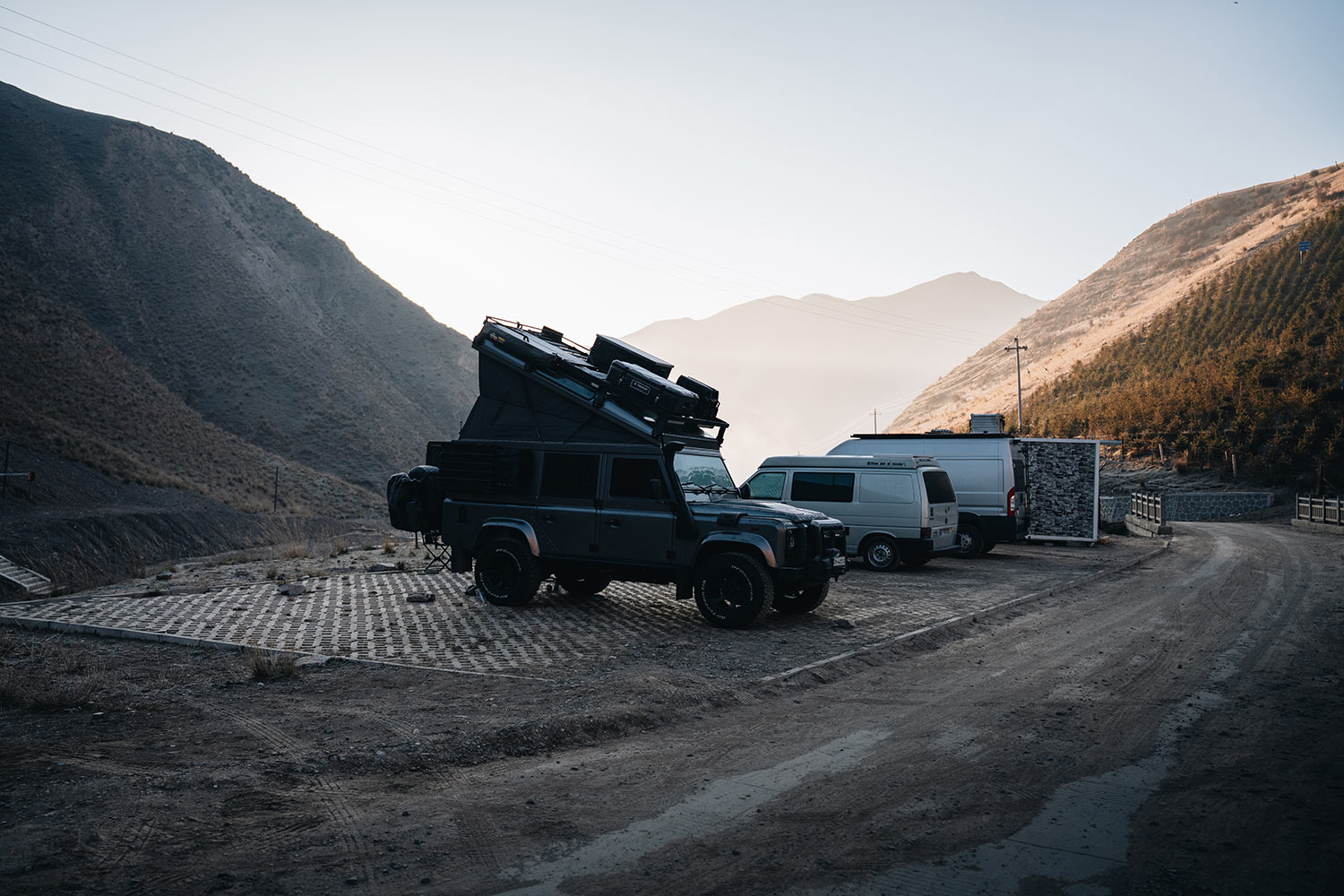
Just outside of town, we found an open spot on a small mountain and set up camp for the night. As soon as the sun disappeared, the temperature dropped fast.
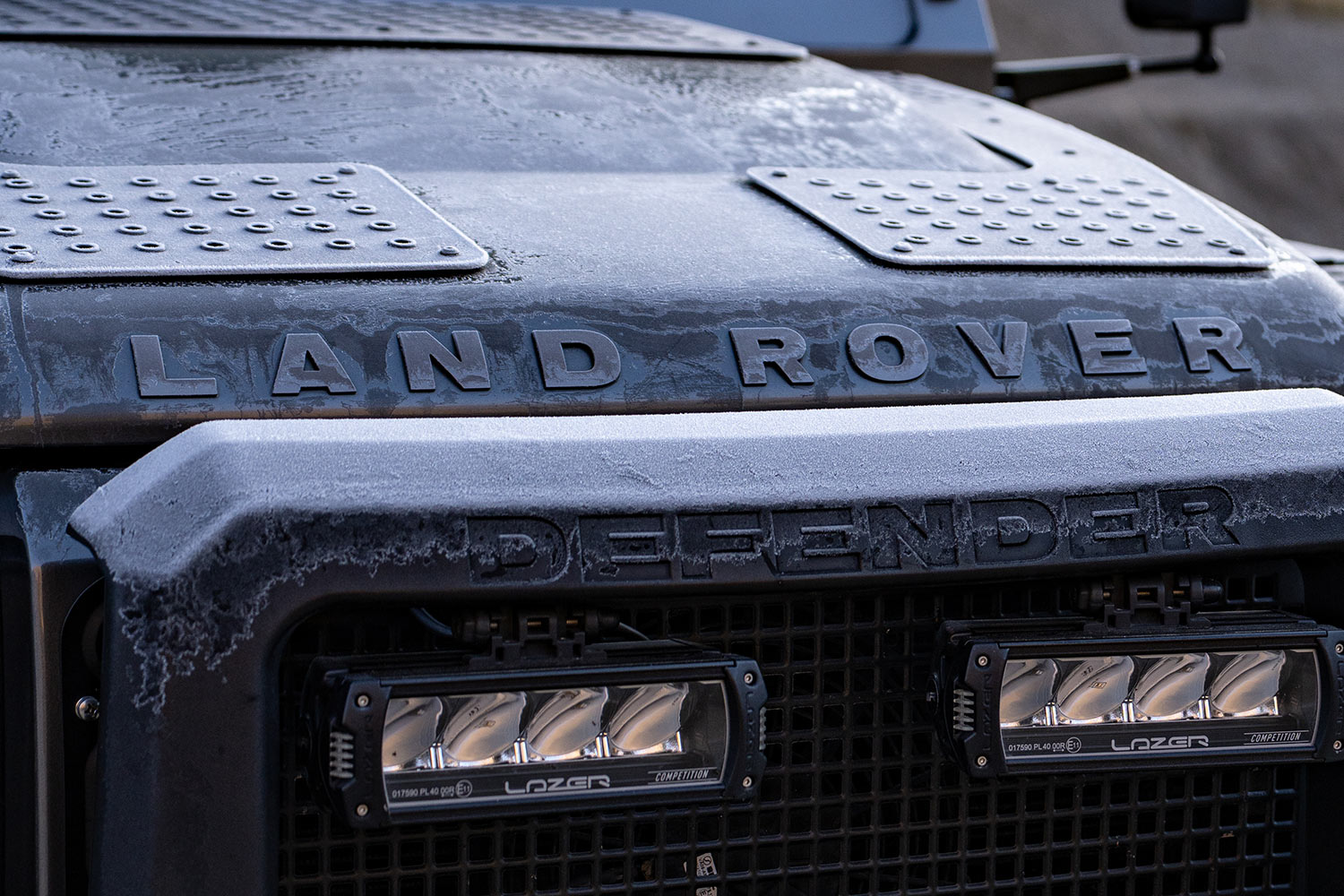
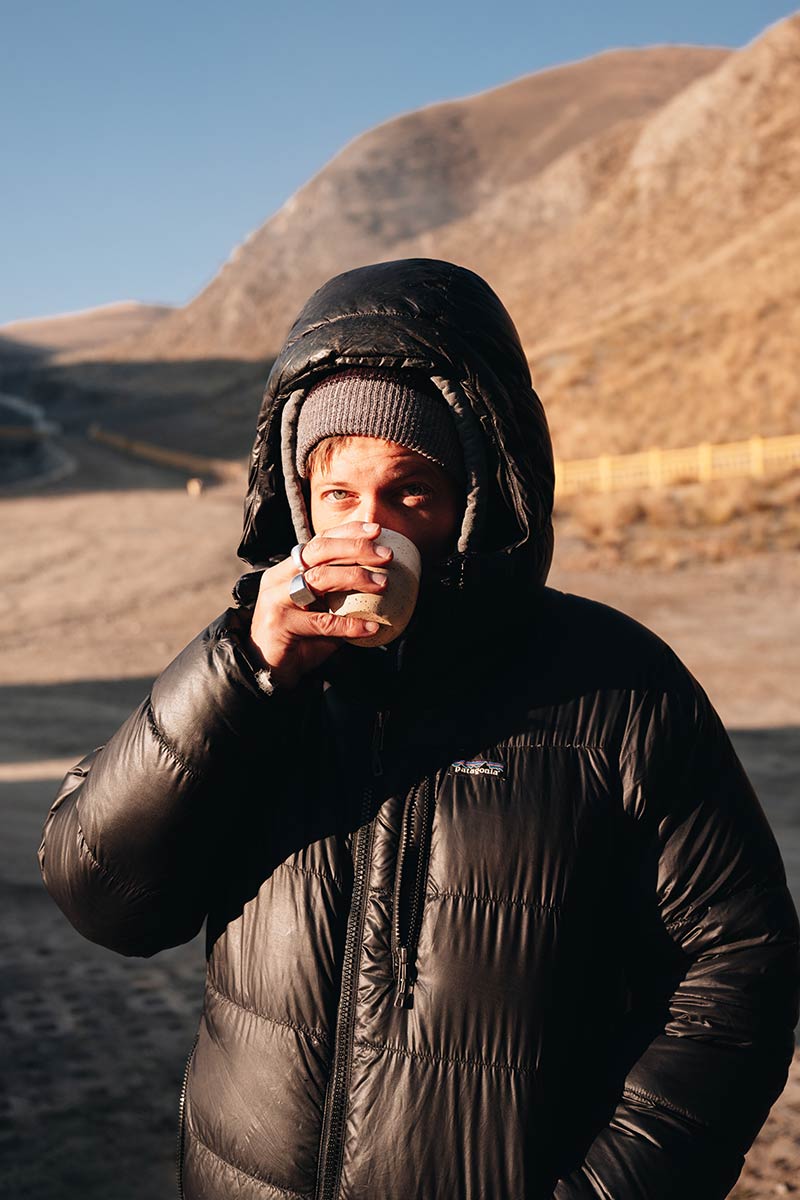
By morning, the Defender was completely covered in ice and the cold had frozen the diesel enough that the engine refused to start. We tried a few times, with no luck. So there was nothing to do but wait for the sun to come up and slowly warm the car again.
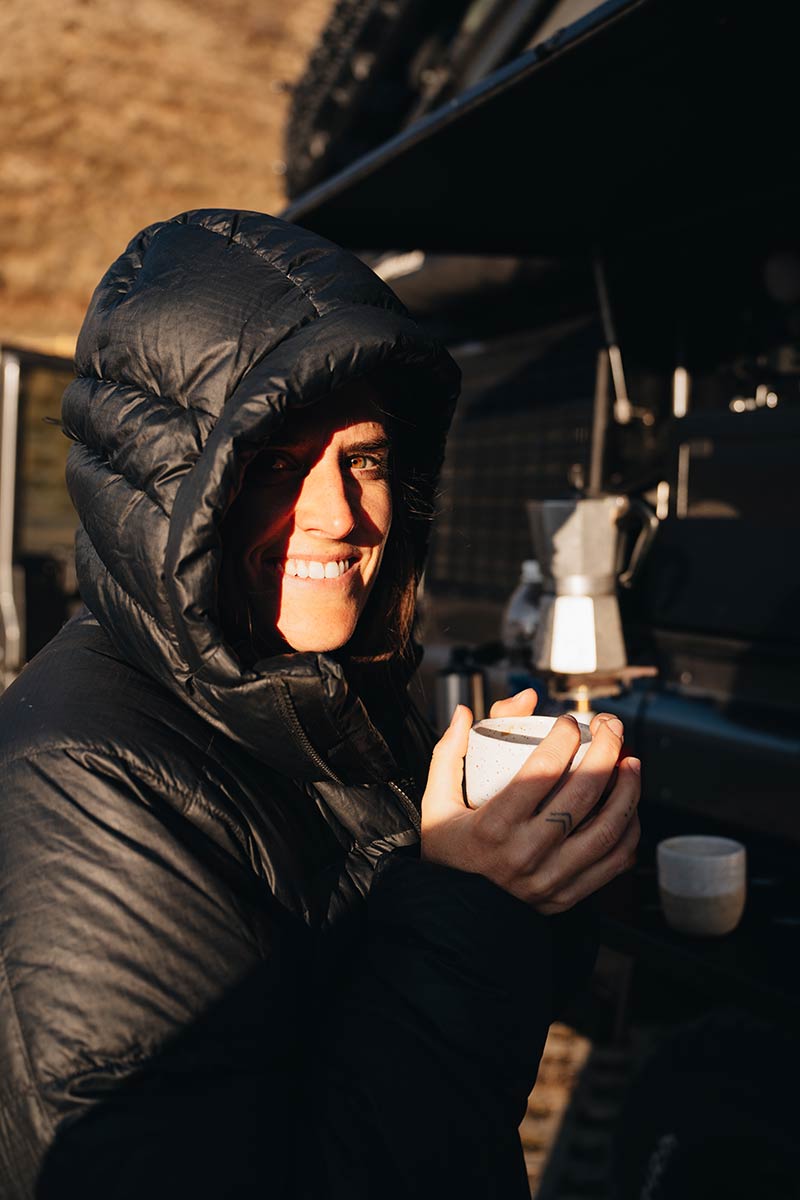
In the meantime, we did what we usually do while waiting: made coffee, stood in the morning sun and hoped the Defender would eventually agree that it was time to move on.


Greetings from the cold and wide open. Thanks for the read!